

Program overview
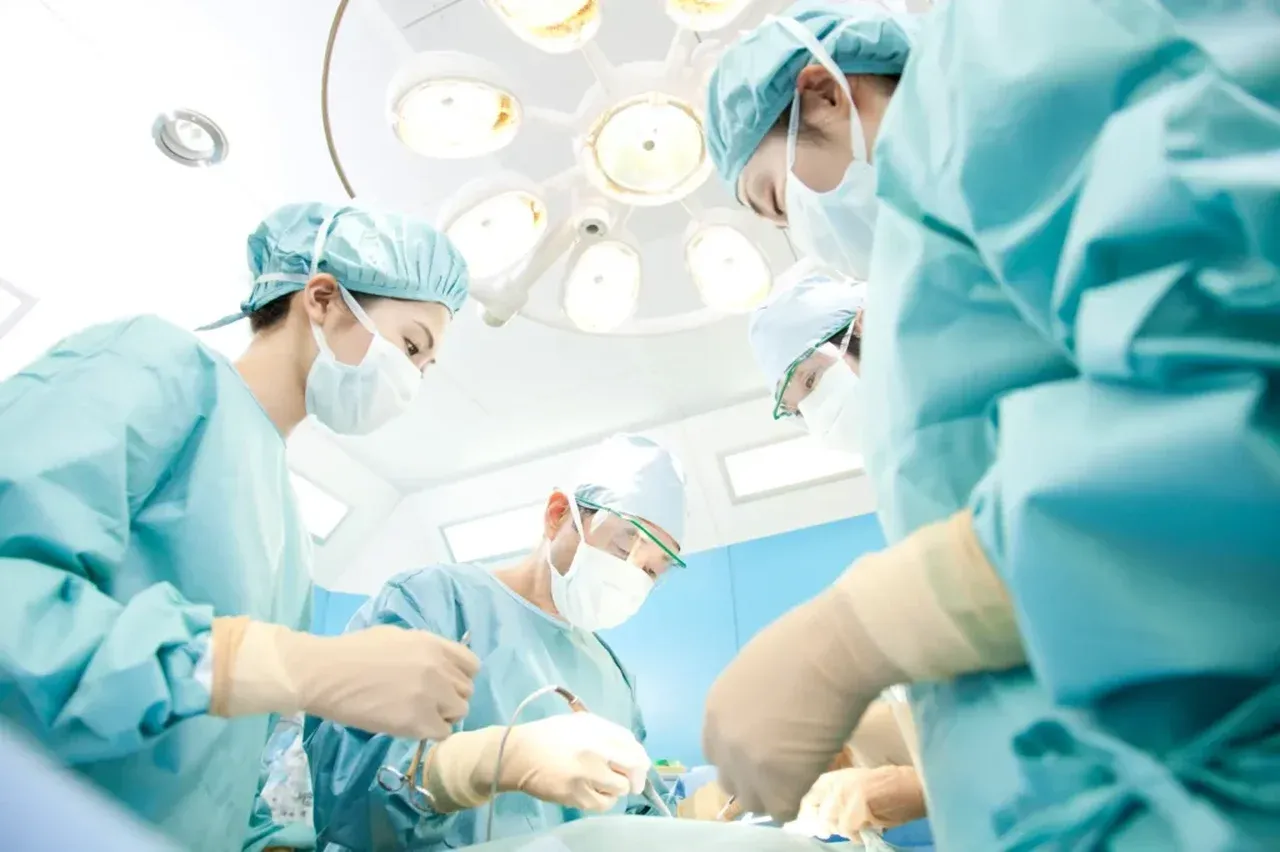
Human Anatomy, Histology, and Embryology are core disciplines of basic medical science. Simply put, they study "what the human body looks like" and "how it develops." Anatomy introduces the three-dimensional arrangement of bones, muscles, blood vessels, and nerves; histology uses microscopes to examine the fine structures of cells and tissues; and embryology reveals the miraculous journey from fertilized egg to fetus. Core courses include Systematic Anatomy, Regional Anatomy, Histology, Embryology, and Neuroanatomy, with a heavy emphasis on lab work—you'll dissect specimens, observe slides, and operate virtual simulation systems. Chinese universities have unique advantages in this field: many medical schools have abundant body donation resources, and digital anatomy technologies (like 3D reconstruction and VR teaching) are at the forefront. This major suits students who are curious about life's structures, have strong hands-on skills, don't mind "bloody" scenes, and are willing to patiently observe details. If you want to build a solid foundation in medicine while pursuing research or teaching, this is a great fit.