

Program overview
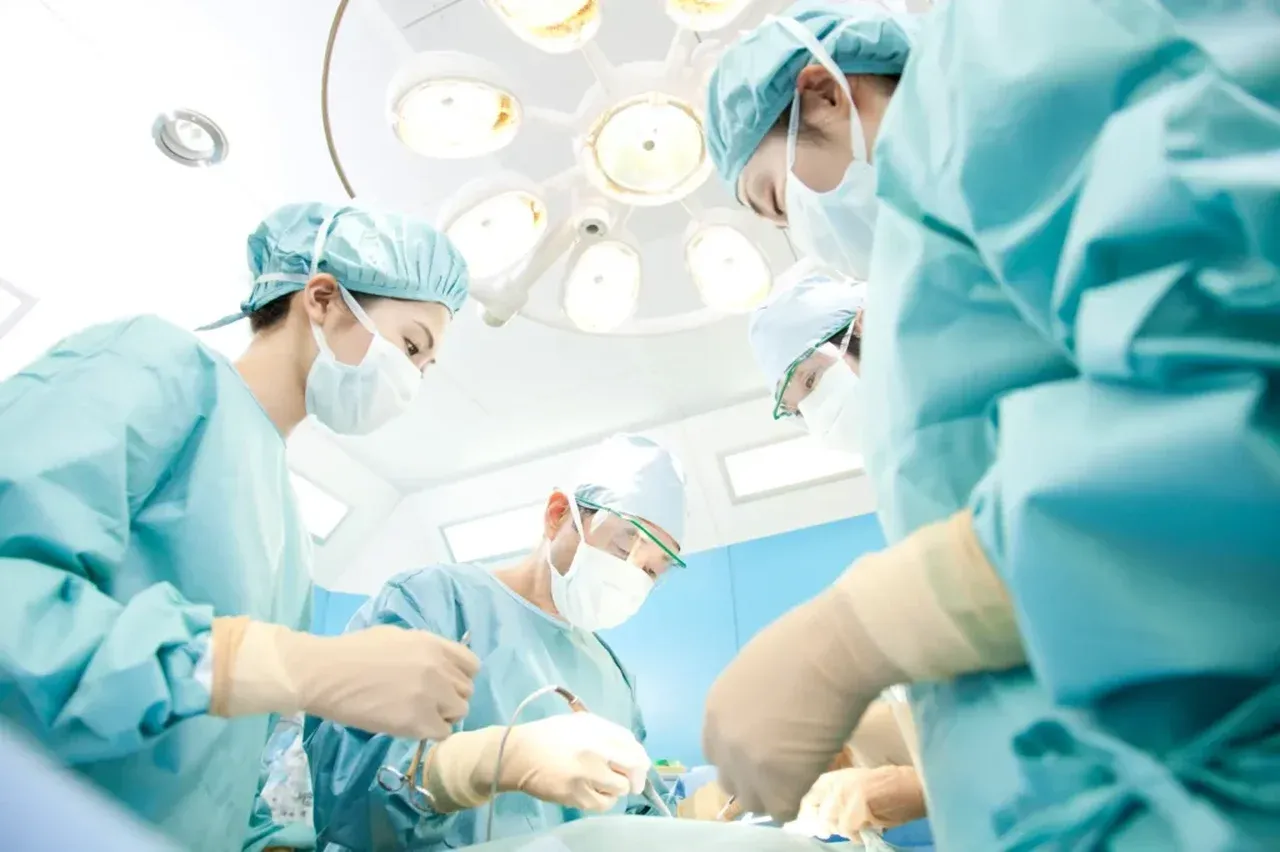
Radiation Oncology is a graduate program under clinical medicine. In simple terms, it teaches how to use radiation (such as X-rays, protons, and heavy ions) to treat cancer. You might wonder: what's the difference from conventional radiotherapy? Actually, modern radiotherapy is incredibly precise—like GPS navigation—locking onto tumor locations while maximizing protection of healthy tissue. Core courses include Radiation Physics (understanding how radiation is generated and interacts), Radiation Biology (effects of radiation on cancer and normal cells), Oncology Basics (characteristics of various cancers), and Radiotherapy Techniques (how to design treatment plans and operate equipment). You'll also study Imaging Diagnostics (reading CT, MRI), and clinical rotations (shadowing doctors with patients). This program suits students who are interested in both physics and biology, enjoy hands-on equipment operation, and are willing to interact with patients. China is advancing rapidly in radiotherapy—many major hospitals have state-of-the-art linear accelerators and proton therapy systems. With a large patient population, international students gain exposure to diverse tumor cases. Moreover, Chinese universities and hospitals invest heavily in radiotherapy R&D—for example, proton-heavy ion centers in Shanghai, Beijing, and Guangzhou offer solid learning resources.