
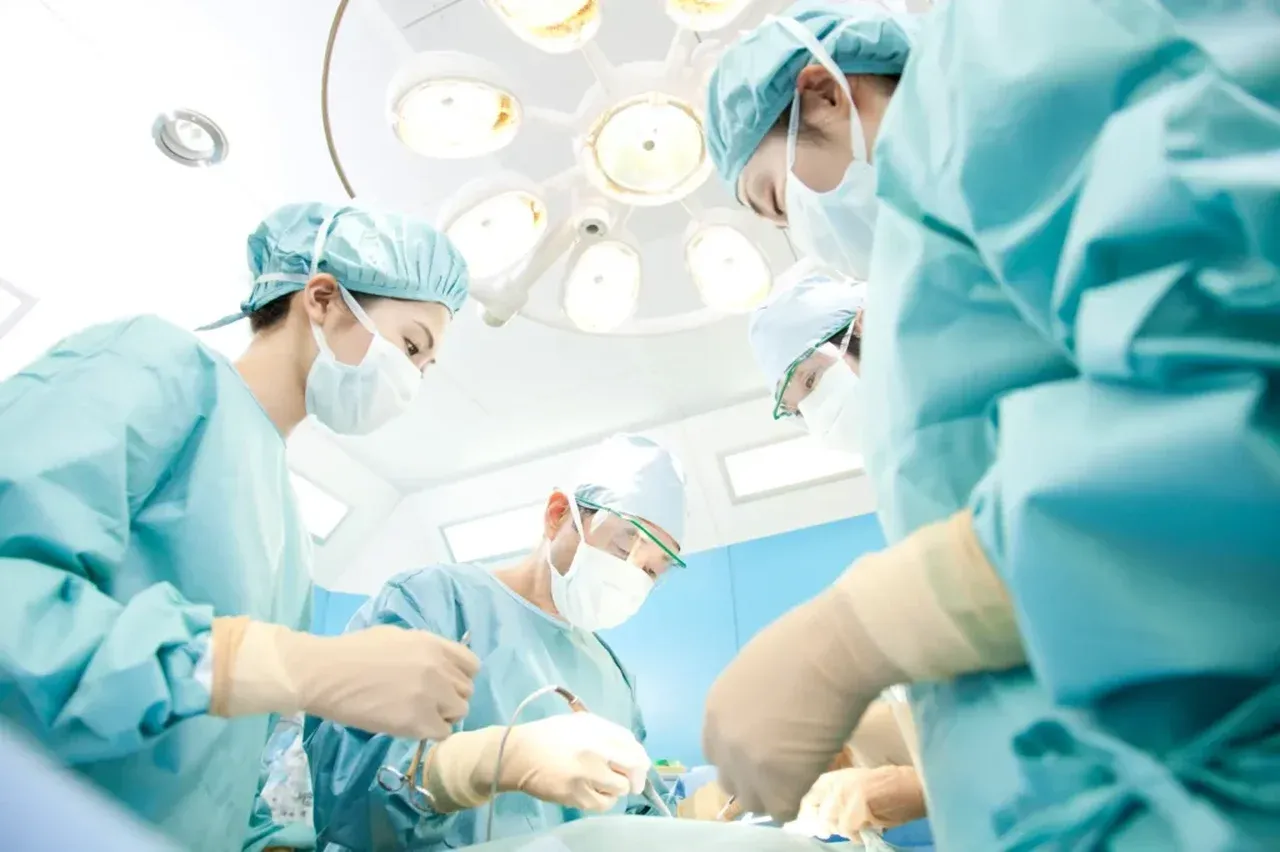

Program overview
Emergency medicine is a graduate specialty under clinical medicine. Simply put, it teaches you how to respond to various sudden illnesses and accidental injuries—from heart attacks and strokes to car accident trauma and poisoning. You need to make judgments and take action in the shortest possible time. Core courses include Emergency Critical Care, Trauma First Aid, Poisoning First Aid, Disaster Medicine, and Cardiopulmonary Resuscitation Techniques. You will learn how to quickly assess conditions, use ventilators, manage multiple injuries, and master skills like puncture and intubation. Chinese universities have a real advantage in this field: a high volume of patients and a wide variety of diseases. For example, the emergency departments at Peking Union Medical College, Shanghai Jiao Tong University School of Medicine, and Zhejiang University School of Medicine handle a huge number of cases each year, giving you exposure to real scenarios and plenty of hands-on opportunities. Additionally, many Chinese hospitals have independent emergency departments and emergency ICUs, concentrating teaching resources. This specialty is ideal for those with strong stress tolerance, quick reflexes, and a love for teamwork. If you find sitting in a clinic seeing patients slowly too dull and want a challenge, emergency medicine is a great choice. But be prepared: lots of night shifts, a fast pace, and high psychological pressure—yet the sense of achievement is especially strong.