
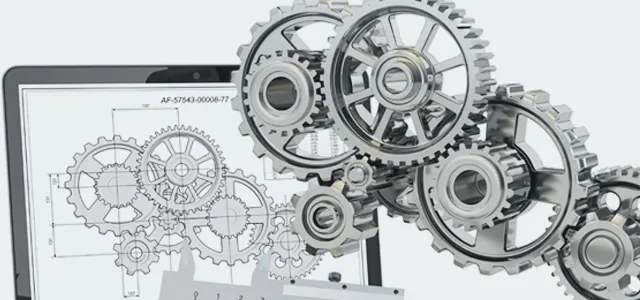

Program overview
Engineering Mechanics, simply put, is about using math and physics to analyze, predict, and control how various structures or materials behave under stress. You might think it's very theoretical, but it's actually incredibly practical—from whether a phone case will break to whether an airplane wing can withstand airflow, mechanical analysis is essential. Core courses include Theoretical Mechanics, Mechanics of Materials, Elasticity, Fluid Mechanics, Finite Element Analysis, along with some programming and lab skills. Chinese universities have a strong engineering background in this field—schools like Tsinghua, Beihang, and Harbin Institute of Technology have professors who've directly worked on national projects like high-speed rail, large aircraft, and bridges, so they bring real-world cases into the classroom. It's a great fit for students who love math and physics and enjoy figuring out 'why does this break?' or 'how can I make it stronger?' If you're hands-on or interested in computer simulation, this major will also give you a great sense of achievement.