
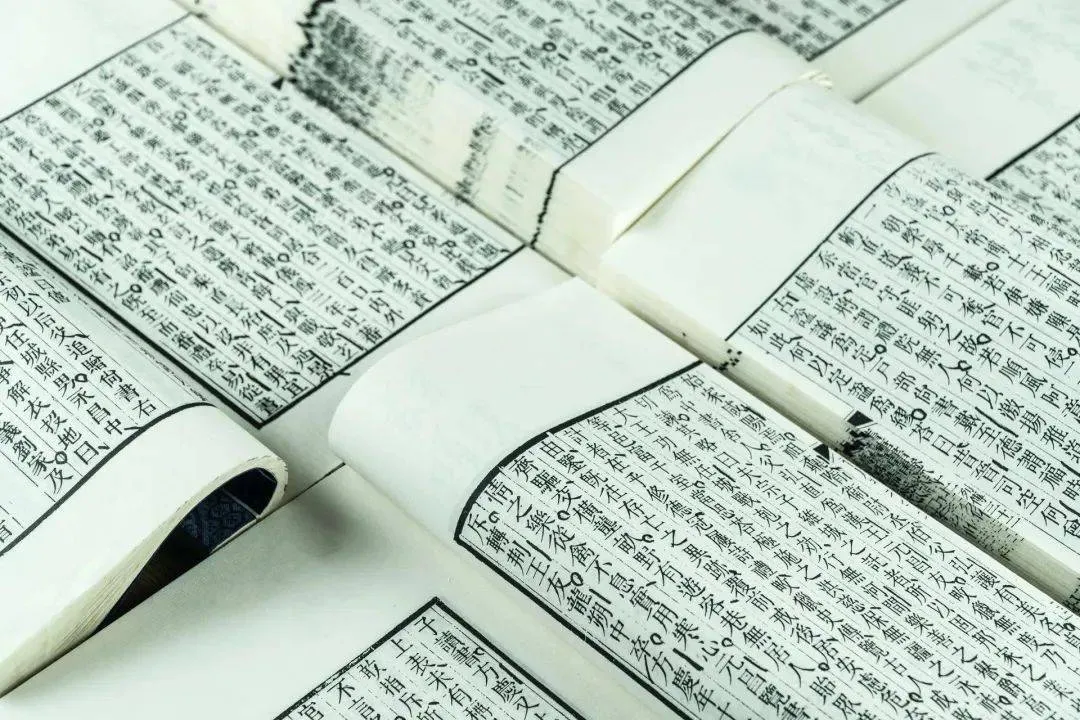

Program overview
Cultural relic conservation technology might sound mysterious, but it's actually a field that uses modern science to 'diagnose' and 'treat' cultural artifacts. You'll learn how to analyze materials (like bronze, murals, paper), determine causes of deterioration, and design restoration plans. Core courses include artifact material analysis, conservation materials science, restoration techniques, environmental monitoring, and introduction to archaeology. There's plenty of hands-on practice—you might use a microscope to examine pottery shards in the lab or mix your own consolidants. This major suits students who are detail-oriented, patient, and passionate about history, especially those who enjoy chemistry and physics but don't want to be stuck in a lab all day. Chinese universities have strong programs in this area—Peking University, Northwest University, and the Palace Museum offer excellent faculty and internship bases, and you may even get to participate in real artifact restoration projects.