
Wuhan University Chinese Government Scholarship High-Level Postgraduate Program

Government/University Scholarship

Wuhan University Chinese Government Scholarship High-Level Postgraduate Program

ClosedVerified

Wuhan University Chinese Government Scholarship — High-Level Postgraduate Program. Levels: master's and doctoral. Coverage: 1. Tuition and application fees waived. 2. Accommodation fees waived. 3. Living allowance. 4. Comprehensive medical insurance. International travel is at the student's expense. More information: https://www.campuschina.org/zh/content/details1003_122933.html

TuitionAccommodationMedical insurance
Scholarship type
Government/University Scholarship
Degree level
Master / PhD
Location
Hubei · Wuhan
Application deadline
2026-02-02

Overview

Wuhan University Chinese Government Scholarship — High-Level Postgraduate Program. Levels: master's and doctoral. Coverage: 1. Tuition and application fees waived. 2. Accommodation fees waived. 3. Living allowance. 4. Comprehensive medical insurance. International travel is at the student's expense.

More information: https://www.campuschina.org/zh/content/details1003_122933.html

Funding coverage

Scholarship TypeGovernment/University Scholarship
UniversityWuhan University
ProvinceHubei
TuitionCovered
AccommodationCovered
Medical InsuranceCovered
Subsidy Standard1. Tuition and application fees waived. 2. Accommodation fees waived. 3. Living allowance. 4. Comprehensive medical insurance. International travel is at the student's own expense. For more information, see the CSC website: https://www.campuschina.org/zh/content/details1003_122933.html
Other BenefitsCannot be held concurrently with other types of scholarships
Coverage Scope1. Tuition and application fees waived. 2. Accommodation fees waived. 3. Living allowance. 4. Comprehensive medical insurance. International travel is at the student's own expense. For more information, see the CSC website: https://www.campuschina.org/zh/content/details1003_122933.html
Application Linkhttps://sie.whu.edu.cn/info/1251/20691.htm

Funding tiers

Eligibility may differ by tier. Check the applicable degree and requirements.

Standard funding

Eligible degree
Master’s, Doctoral
Funding
1. Tuition and application fees waived. 2. Accommodation fees waived. 3. Living allowance. 4. Comprehensive medical insurance. International travel is at the student's own expense. For more information, see the CSC website: https://www.campuschina.org/zh/content/details1003_122933.html
Tier requirements
1. Non-Chinese citizens in good physical and mental health. 2. Age, qualification and language requirements ●Master’s: bachelor’s degree/equivalent academic ability, excellent grades, generally no older than 35; ●Doctoral: master’s degree/equivalent qualification, excellent grades, generally no older than 40; ● Chinese-medium master’s/doctoral applicants require HSK Level 4. HSK Level 5 (inclusive) or above permits application for direct major entry. Applicants below HSK5 may apply for one year of remedial Chinese and enter major study after meeting requirements. Applicants with a Chinese-taught degree from a Chinese university need not provide HSK but must provide proof of Chinese-medium instruction; ● English-medium master’s/doctoral applicants require English evidence: TOEFL 80, IELTS 6.0. Applicants unable to provide standardized English evidence whose preceding degree was English-taught must supply proof and take an English written examination or interview. Native English speakers may omit the above English evidence; English-medium master’s applicants in Clinical Medicine must additionally provide HSK Level 4 or above, besides English evidence. 3. Grades GPA at least 3.0/4,3.75/5 or75%; GPA or equivalent grading systems accepted. 4. No concurrent scholarship.

Requirements & documents

Application Requirements1. Non-Chinese citizens in good physical and mental health. 2. Age, qualification and language requirements ●Master’s: bachelor’s degree/equivalent academic ability, excellent grades, generally no older than 35; ●Doctoral: master’s degree/equivalent qualification, excellent grades, generally no older than 40; ● Chinese-medium master’s/doctoral applicants require HSK Level 4. HSK Level 5 (inclusive) or above permits application for direct major entry. Applicants below HSK5 may apply for one year of remedial Chinese and enter major study after meeting requirements. Applicants with a Chinese-taught degree from a Chinese university need not provide HSK but must provide proof of Chinese-medium instruction; ● English-medium master’s/doctoral applicants require English evidence: TOEFL 80, IELTS 6.0. Applicants unable to provide standardized English evidence whose preceding degree was English-taught must supply proof and take an English written examination or interview. Native English speakers may omit the above English evidence; English-medium master’s applicants in Clinical Medicine must additionally provide HSK Level 4 or above, besides English evidence. 3. Grades GPA at least 3.0/4,3.75/5 or75%; GPA or equivalent grading systems accepted. 4. No concurrent scholarship.
Major RestrictionsMarxist Philosophy; Chinese Philosophy; Foreign Philosophy; Ethics; Aesthetics; Religious Studies; Philosophy of Science and Technology; Chinese National Studies; Logic; Literary and Art Theory; Linguistics and Applied Linguistics; Chinese Language and Literature; Classical Chinese Philology; Ancient Chinese Literature; Modern and Contemporary Chinese Literature; Comparative Literature and World Literature; Writing Studies; English Language and Literature; Russian Language and Literature; German Language and Literature; French Language and Literature; Japanese Language and Literature; Foreign Linguistics and Applied Linguistics; Translation Studies; English Translation (professional degree); English Interpreting (professional degree); Russian Interpreting (professional degree); Japanese Translation (professional degree); German Translation (professional degree); Journalism and Communication Studies; Journalism and Communication (professional degree); Archaeology; Chinese History; World History; Cultural Heritage (professional degree); Museums (professional degree); Political Economy; Western Economics; Population, Resources and Environmental Economics; World Economy; Regional Economics; Public Finance; Finance; Industrial Economics; International Trade; Quantitative Economics; Labor Economics; Insurance Studies; Real Estate Economics; Management Science and Engineering; Accounting; Enterprise Management; Tourism Management; Technology Economics and Management; Marketing; Human Resource Management; Art Studies; Drama and Film/Television (professional degree); Legal Theory; Legal History; Constitutional and Administrative Law; Criminal Law; Civil and Commercial Law; Procedural Law; Economic Law; Environmental and Resource Protection Law; International Law; Intellectual Property Law; Law (for non-law graduates) (professional degree); Law (for law graduates) (professional degree); Political Theory; Chinese and Foreign Political Systems; International Politics; International Relations; Administrative Management; Social Medicine and Health Service Management; Social Security; Land Resource Management; Public Economic Management; Emergency Management; Educational Economics and Management; Public Administration (professional degree); Studies of Marxism Abroad; Studies on the Adaptation of Marxism to China; Ideological and Political Education; E-Commerce; Library Science; Information Science; Archival Studies; Data Science; Publishing and Distribution; Information Resource Management; Confidentiality Management; Engineering Management (professional degree); Publishing (professional degree); Library and Information Studies (professional degree); International Chinese Language Education (professional degree); Education; Cultural Industry Management; Pure Mathematics; Computational Mathematics; Probability and Mathematical Statistics; Applied Mathematics; Statistics; Applied Statistics (professional degree); Physics; Astronomy; Nanoscience and Technology; Materials Physics and Chemistry; Physical Electronics; Microelectronics and Solid-State Electronics; Chemistry; Materials Science and Engineering; Materials and Chemical Engineering (professional degree); Biology; Ecology; Biology and Medicine (professional degree); Physical Geography; Human Geography; Cartography and Geographic Information Systems; Environmental Science; Environmental Engineering; Resource and Environmental Monitoring and Planning; Cartography and Geographic Information Engineering; Environmental Engineering (professional degree); Surveying and Mapping Engineering (professional degree); Mechanical Engineering; Power Engineering and Engineering Thermophysics; Mechanical Studies (professional degree); Energy and Power (professional degree); Electrical Engineering; Solid Mechanics; Engineering Mechanics; Geotechnical Engineering; Structural Engineering; Municipal Engineering; Municipal Engineering (including Water Supply and Drainage) (professional degree); Civil Engineering (professional degree); Fluid Mechanics; Hydrology and Water Resources; Hydraulics and River Dynamics; Hydraulic Structure Engineering; Hydraulic and Hydropower Engineering; Harbor, Coastal and Offshore Engineering; Smart Water Conservancy; Hydraulic Engineering (professional degree); Digital Design and Simulation; Architecture; Urban and Rural Planning; Design Studies; Information and Communication Engineering; Electronic Science and Technology; Electronic Information (professional degree); Software Engineering (professional degree); Computer Technology (professional degree); Cyberspace Security; Pattern Recognition and Intelligent Systems; Photogrammetry and Remote Sensing; Remote Sensing Science and Technology; Navigation, Guidance and Control; Geodesy and Surveying Engineering; Communication and Information Systems; Computer Application Technology; Resources and Environment (professional degree); Radio Physics; Space Physics; Space Exploration and Information Processing Technology; Solid Earth Geophysics; Robotics Technology; Integrated Circuit Engineering (professional degree); Basic Medicine; Internal Medicine; Pediatrics; Neurology; Psychiatry and Mental Health; Dermatology and Venereology; Radiology; Ultrasound Medicine; Orthopedics; Obstetrics and Gynecology; Ophthalmology; Otorhinolaryngology; Oncology; Rehabilitation Medicine and Physical Therapy; Anesthesiology; Emergency Medicine; Critical Care Medicine; General Practice; Clinical Laboratory Diagnostics; Surgery; Clinical Pathology; Geriatrics; Stomatology; Nursing; Nuclear Medicine; Pediatric Surgery; Radiation Oncology; Clinical Medicine (academic degree, Clinical Laboratory Diagnostics research track); Pharmacy; Stomatology (professional degree); Public Health and Preventive Medicine; Public Health (professional degree); Nursing Science; Materials Processing Engineering; Nursing (professional degree); Economic History; Insurance; Operations Research and Cybernetics; Systems Engineering; Human Anatomy, Histology and Embryology; Immunology; Pathogen Biology; Pathology and Pathophysiology; Drug Toxicology; Biochemistry and Molecular Biology; Psychology; International Business; Disaster Prevention and Mitigation Engineering and Protective Engineering
GPASubject to excellent academic performance and the host institution’s requirements
Language Requirements● Chinese-medium master’s/doctoral applicants require HSK Level 4. HSK Level 5 (inclusive) or above permits application for direct major entry. Applicants below HSK5 may apply for one year of remedial Chinese and enter major study after meeting requirements. Applicants with a Chinese-taught degree from a Chinese university need not provide HSK but must provide proof of Chinese-medium instruction; ● English-medium master’s/doctoral applicants require English evidence: TOEFL 80, IELTS 6.0. Applicants unable to provide standardized English evidence whose preceding degree was English-taught must supply proof and take an English written examination or interview. Native English speakers may omit the above English evidence; English-medium professional master’s applicants in Clinical Medicine must additionally provide HSK Level 4 or above, besides English evidence.
Teaching LanguagePrograms taught entirely in English are exempt from HSK; IELTS / TOEFL or proof of English-medium instruction is required
Required Materials1. Chinese Government Scholarship Application Form, completed online in Chinese or English. 2. Ordinary passport information page. If validity does not extend beyond March 1, 2027, renew the passport promptly. 3. Notarized educational qualification certificates from undergraduate studies onward. Current students must provide an expected degree certificate issued by their institution, stating the expected degree and graduation date, plus a certificate of university performance. Documents in languages other than Chinese or English require notarized Chinese or English translations. 4. Academic transcripts from undergraduate studies onward. Scans must cover undergraduate, master’s (if any) and doctoral (if any) studies through the most recent semester. Transcripts must be issued and stamped by the institution’s academic affairs office, graduate school or relevant student administration department. Chinese or English transcripts may be provided; for languages other than English, an additional notarized English translation is required [the source also permits Chinese transcripts]. 5. Proof of language proficiency. Applicants to Chinese-taught majors must provide valid HSK Level 4 or higher results. Applicants to English-taught majors must provide TOEFL, IELTS or similar results. 6. Study plan for study in China, written only in Chinese or English, with at least 1,000 Chinese characters or English words. Include a personal introduction, academic background, reasons for studying in China, understanding of China and Wuhan University, study arrangements, research direction and future development goals. Reference template: https://sie.whu.edu.cn/xzzx.htm. 7. Recommendation letters from two professors or associate professors, with handwritten signatures and dates, focusing on overall ability, future development and objectives for study in China. Write only in Chinese or English. Reference template: https://sie.whu.edu.cn/xzzx.htm. 8. Personal work: arts, design and related applicants may upload examples such as videos and paintings under “Works/Other Supporting Materials”. 9. Applicants under 18 must submit relevant legal documents concerning their legal guardian in China. 10. Copy of the Foreigner Physical Examination Form (retain the original; the standard form issued by China’s health and quarantine authorities, completed in English or Chinese). Download at https://sie.whu.edu.cn/xzzx.htm. Undergo all required examinations. Forms with missing items, without the applicant’s photograph or a seal across the photograph, or without the signatures and seals of the physician and hospital are invalid. Results are valid for six months. 11. Certificate of no criminal record in Chinese or English, valid and issued by local public security authorities, generally within the six months preceding application submission. 12. Wuhan University Professor’s Consent to Accept an International Student, if available, downloadable at https://sie.whu.edu.cn/xzzx.htm. Find supervisor information through the schools’ and departments’ websites: https://sie.whu.edu.cn/lxsq/pydw.htm. 13. Other materials, such as published papers, award certificates and proof of work or internships, if any.
Sourcehttps://lh65breby7.feishu.cn/wiki/TAxpwuS1TiFoeZklj20caqHnnte?sheet=1dnfky&range=A17
Source NotesWuhan University — 2025 application guide and funding details for Wuhan University Chinese Government Scholarship High-Level Postgraduate Program (verified by the user)
Noteshttps://sie.whu.edu.cn/info/1251/20691.htm
University groupingFirst group of additional universities for the Vietnamese market
Application materials1. Chinese Government Scholarship Application Form, completed online in Chinese or English. 2. Ordinary passport information page. If validity does not extend beyond March 1, 2027, renew the passport promptly. 3. Notarized educational qualification certificates from undergraduate studies onward. Current students must provide an expected degree certificate issued by their institution, stating the expected degree and graduation date, plus a certificate of university performance. Documents in languages other than Chinese or English require notarized Chinese or English translations. 4. Academic transcripts from undergraduate studies onward. Scans must cover undergraduate, master’s (if any) and doctoral (if any) studies through the most recent semester. Transcripts must be issued and stamped by the institution’s academic affairs office, graduate school or relevant student administration department. Chinese or English transcripts may be provided; for languages other than English, an additional notarized English translation is required [the source also permits Chinese transcripts]. 5. Proof of language proficiency. Applicants to Chinese-taught majors must provide valid HSK Level 4 or higher results. Applicants to English-taught majors must provide TOEFL, IELTS or similar results. 6. Study plan for study in China, written only in Chinese or English, with at least 1,000 Chinese characters or English words. Include a personal introduction, academic background, reasons for studying in China, understanding of China and Wuhan University, study arrangements, research direction and future development goals. Reference template: https://sie.whu.edu.cn/xzzx.htm. 7. Recommendation letters from two professors or associate professors, with handwritten signatures and dates, focusing on overall ability, future development and objectives for study in China. Write only in Chinese or English. Reference template: https://sie.whu.edu.cn/xzzx.htm. 8. Personal work: arts, design and related applicants may upload examples such as videos and paintings under “Works/Other Supporting Materials”. 9. Applicants under 18 must submit relevant legal documents concerning their legal guardian in China. 10. Copy of the Foreigner Physical Examination Form (retain the original; the standard form issued by China’s health and quarantine authorities, completed in English or Chinese). Download at https://sie.whu.edu.cn/xzzx.htm. Undergo all required examinations. Forms with missing items, without the applicant’s photograph or a seal across the photograph, or without the signatures and seals of the physician and hospital are invalid. Results are valid for six months. 11. Certificate of no criminal record in Chinese or English, valid and issued by local public security authorities, generally within the six months preceding application submission. 12. Wuhan University Professor’s Consent to Accept an International Student, if available, downloadable at https://sie.whu.edu.cn/xzzx.htm. Find supervisor information through the schools’ and departments’ websites: https://sie.whu.edu.cn/lxsq/pydw.htm. 13. Other materials, such as published papers, award certificates and proof of work or internships, if any.
Application requirements1. Non-Chinese citizens in good physical and mental health. 2. Age, qualification and language requirements ●Master’s: bachelor’s degree/equivalent academic ability, excellent grades, generally no older than 35; ●Doctoral: master’s degree/equivalent qualification, excellent grades, generally no older than 40; ● Chinese-medium master’s/doctoral applicants require HSK Level 4. HSK Level 5 (inclusive) or above permits application for direct major entry. Applicants below HSK5 may apply for one year of remedial Chinese and enter major study after meeting requirements. Applicants with a Chinese-taught degree from a Chinese university need not provide HSK but must provide proof of Chinese-medium instruction; ● English-medium master’s/doctoral applicants require English evidence: TOEFL 80, IELTS 6.0. Applicants unable to provide standardized English evidence whose preceding degree was English-taught must supply proof and take an English written examination or interview. Native English speakers may omit the above English evidence; English-medium master’s applicants in Clinical Medicine must additionally provide HSK Level 4 or above, besides English evidence. 3. Grades GPA at least 3.0/4,3.75/5 or75%; GPA or equivalent grading systems accepted. 4. No concurrent scholarship.
Coverage1. Tuition and application fees waived. 2. Accommodation fees waived. 3. Living allowance. 4. Comprehensive medical insurance. International travel is at the student's own expense. For more information, see the CSC website: https://www.campuschina.org/zh/content/details1003_122933.html
Language requirements● Chinese-medium master’s/doctoral applicants require HSK Level 4. HSK Level 5 (inclusive) or above permits application for direct major entry. Applicants below HSK5 may apply for one year of remedial Chinese and enter major study after meeting requirements. Applicants with a Chinese-taught degree from a Chinese university need not provide HSK but must provide proof of Chinese-medium instruction; ● English-medium master’s/doctoral applicants require English evidence: TOEFL 80, IELTS 6.0. Applicants unable to provide standardized English evidence whose preceding degree was English-taught must supply proof and take an English written examination or interview. Native English speakers may omit the above English evidence; English-medium professional master’s applicants in Clinical Medicine must additionally provide HSK Level 4 or above, besides English evidence.
Eligible majorsMarxist Philosophy; Chinese Philosophy; Foreign Philosophy; Ethics; Aesthetics; Religious Studies; Philosophy of Science and Technology; Chinese National Studies; Logic; Literary and Art Theory; Linguistics and Applied Linguistics; Chinese Language and Literature; Classical Chinese Philology; Ancient Chinese Literature; Modern and Contemporary Chinese Literature; Comparative Literature and World Literature; Writing Studies; English Language and Literature; Russian Language and Literature; German Language and Literature; French Language and Literature; Japanese Language and Literature; Foreign Linguistics and Applied Linguistics; Translation Studies; English Translation (professional degree); English Interpreting (professional degree); Russian Interpreting (professional degree); Japanese Translation (professional degree); German Translation (professional degree); Journalism and Communication Studies; Journalism and Communication (professional degree); Archaeology; Chinese History; World History; Cultural Heritage (professional degree); Museums (professional degree); Political Economy; Western Economics; Population, Resources and Environmental Economics; World Economy; Regional Economics; Public Finance; Finance; Industrial Economics; International Trade; Quantitative Economics; Labor Economics; Insurance Studies; Real Estate Economics; Management Science and Engineering; Accounting; Enterprise Management; Tourism Management; Technology Economics and Management; Marketing; Human Resource Management; Art Studies; Drama and Film/Television (professional degree); Legal Theory; Legal History; Constitutional and Administrative Law; Criminal Law; Civil and Commercial Law; Procedural Law; Economic Law; Environmental and Resource Protection Law; International Law; Intellectual Property Law; Law (for non-law graduates) (professional degree); Law (for law graduates) (professional degree); Political Theory; Chinese and Foreign Political Systems; International Politics; International Relations; Administrative Management; Social Medicine and Health Service Management; Social Security; Land Resource Management; Public Economic Management; Emergency Management; Educational Economics and Management; Public Administration (professional degree); Studies of Marxism Abroad; Studies on the Adaptation of Marxism to China; Ideological and Political Education; E-Commerce; Library Science; Information Science; Archival Studies; Data Science; Publishing and Distribution; Information Resource Management; Confidentiality Management; Engineering Management (professional degree); Publishing (professional degree); Library and Information Studies (professional degree); International Chinese Language Education (professional degree); Education; Cultural Industry Management; Pure Mathematics; Computational Mathematics; Probability and Mathematical Statistics; Applied Mathematics; Statistics; Applied Statistics (professional degree); Physics; Astronomy; Nanoscience and Technology; Materials Physics and Chemistry; Physical Electronics; Microelectronics and Solid-State Electronics; Chemistry; Materials Science and Engineering; Materials and Chemical Engineering (professional degree); Biology; Ecology; Biology and Medicine (professional degree); Physical Geography; Human Geography; Cartography and Geographic Information Systems; Environmental Science; Environmental Engineering; Resource and Environmental Monitoring and Planning; Cartography and Geographic Information Engineering; Environmental Engineering (professional degree); Surveying and Mapping Engineering (professional degree); Mechanical Engineering; Power Engineering and Engineering Thermophysics; Mechanical Studies (professional degree); Energy and Power (professional degree); Electrical Engineering; Solid Mechanics; Engineering Mechanics; Geotechnical Engineering; Structural Engineering; Municipal Engineering; Municipal Engineering (including Water Supply and Drainage) (professional degree); Civil Engineering (professional degree); Fluid Mechanics; Hydrology and Water Resources; Hydraulics and River Dynamics; Hydraulic Structure Engineering; Hydraulic and Hydropower Engineering; Harbor, Coastal and Offshore Engineering; Smart Water Conservancy; Hydraulic Engineering (professional degree); Digital Design and Simulation; Architecture; Urban and Rural Planning; Design Studies; Information and Communication Engineering; Electronic Science and Technology; Electronic Information (professional degree); Software Engineering (professional degree); Computer Technology (professional degree); Cyberspace Security; Pattern Recognition and Intelligent Systems; Photogrammetry and Remote Sensing; Remote Sensing Science and Technology; Navigation, Guidance and Control; Geodesy and Surveying Engineering; Communication and Information Systems; Computer Application Technology; Resources and Environment (professional degree); Radio Physics; Space Physics; Space Exploration and Information Processing Technology; Solid Earth Geophysics; Robotics Technology; Integrated Circuit Engineering (professional degree); Basic Medicine; Internal Medicine; Pediatrics; Neurology; Psychiatry and Mental Health; Dermatology and Venereology; Radiology; Ultrasound Medicine; Orthopedics; Obstetrics and Gynecology; Ophthalmology; Otorhinolaryngology; Oncology; Rehabilitation Medicine and Physical Therapy; Anesthesiology; Emergency Medicine; Critical Care Medicine; General Practice; Clinical Laboratory Diagnostics; Surgery; Clinical Pathology; Geriatrics; Stomatology; Nursing; Nuclear Medicine; Pediatric Surgery; Radiation Oncology; Clinical Medicine (academic degree, Clinical Laboratory Diagnostics research track); Pharmacy; Stomatology (professional degree); Public Health and Preventive Medicine; Public Health (professional degree); Nursing Science; Materials Processing Engineering; Nursing (professional degree); Economic History; Insurance; Operations Research and Cybernetics; Systems Engineering; Human Anatomy, Histology and Embryology; Immunology; Pathogen Biology; Pathology and Pathophysiology; Drug Toxicology; Biochemistry and Molecular Biology; Psychology; International Business; Disaster Prevention and Mitigation Engineering and Protective Engineering
Scholarship typeChinese Government Scholarship
University name in Chinese*Wuhan University
Application opening dateNovember 15, 2025 [date as shown in source]
Application deadlineFebruary 25, 2026
Scholarship name in Chinese*Wuhan University Chinese Government Scholarship High-Level Postgraduate Program
Eligible study levels*Master’s, Doctoral
Scholarship verification status*Verified (confirmed by user)
Whether a separate application is requiredNot specified on the official website
Rules on holding other scholarships concurrentlyCannot be held concurrently with other types of scholarships
Application Rule 1name: Coverage; description: 1. Tuition and application fees waived. 2. Accommodation fees waived. 3. Living allowance. 4. Comprehensive medical insurance. International travel is at the student's own expense. For more information, see the CSC website: https://www.campuschina.org/zh/content/details1003_122933.html
Application Rule 2name: Application opening date; description: November 15, 2025 [date as shown in source]
Application Rule 3name: Application deadline; description: February 25, 2026
Application Rule 4name: Rules on holding other scholarships concurrently; description: Cannot be held concurrently with other types of scholarships

Application dates & process

Application Opens: 11/1 Application Deadline: 2/2 Review Cycle: Document review and interviews / expert review take approximately 4–6 weeks

Universities & programs

Universities

About the university

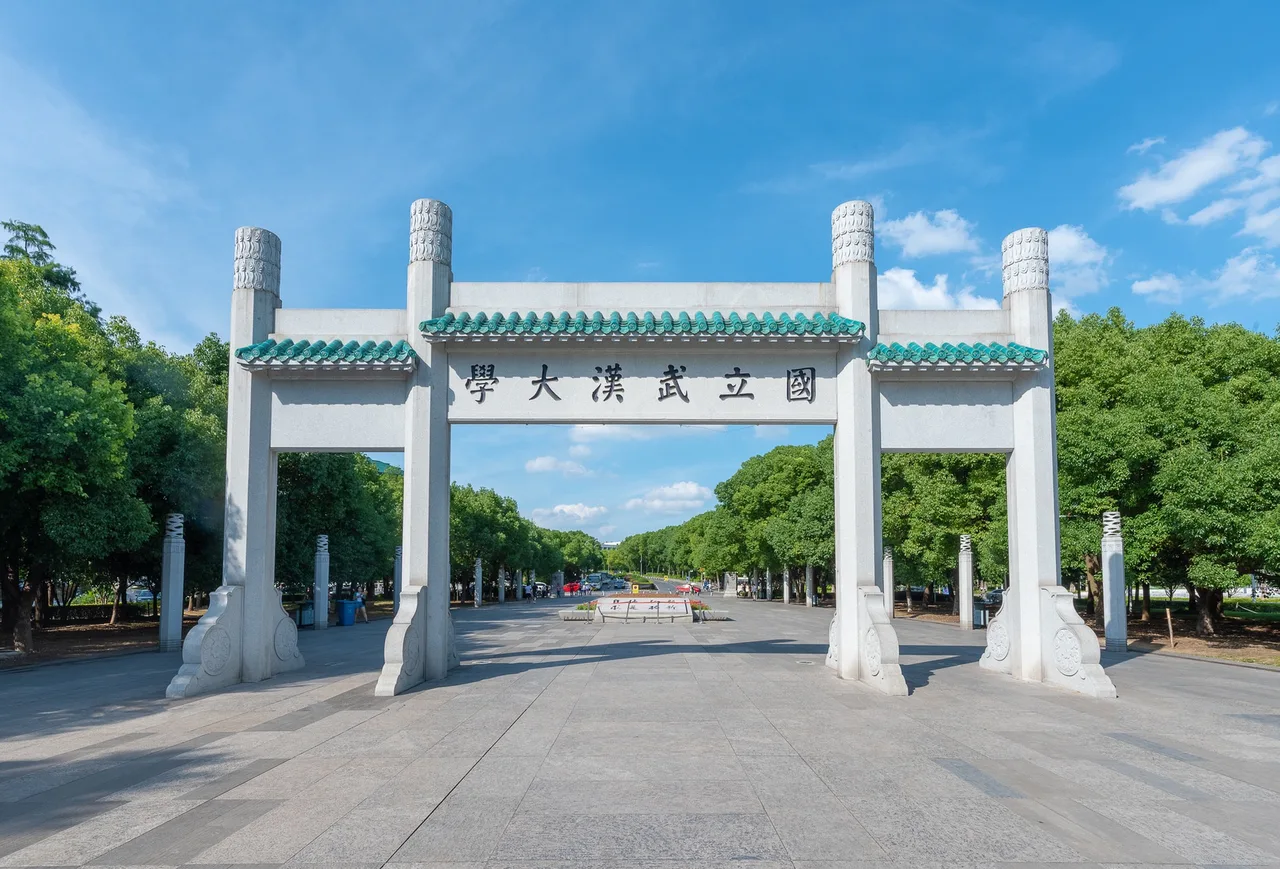
Wuhan University (WHU), located in Wuhan, Hubei Province, is a comprehensive national key university directly under the Ministry of Education and directly managed by the central government. It is among the first batch of universities selected for the national "Double First-Class" initiative, "Project 985," and "Project 211." It is also part of the "101 Plan," the Elite Plan, and the National High-Level University Graduate Program. The university is a member of the Medical "Double First-Class" Alliance, the Eurasia-Pacific Uninet, and the China-UK Higher Education Humanities Alliance, and serves as the chair unit of the "Double First-Class" University Alliance of the Middle Reaches of the Yangtze River. Wuhan University traces its roots to the Ziqiang Academy (Self-Strengthening Academy) founded in 1893 by Zhang Zhidong, the Governor-General of Huguang, under the approval of the Qing court. After a series of transformations, it was officially named National Wuhan University in 1928, becoming one of the first national universities in modern China. In 1960, it was designated as a national key comprehensive university, and in 1995, it was selected for "Project 211." In 2000, Wuhan University merged with Wuhan University of Hydraulic and Electric Engineering (founded in 1954), Wuhan Technical University of Surveying and Mapping (founded in 1956), and Hubei Medical University (founded in 1943) to form the new Wuhan University. In 2001, it was included in "Project 985," and in 2017, it was selected for the national "Double First-Class" initiative. As of December 2024, the university covers a total area of 3,693,800 square meters, with a total building area of 3,174,500 square meters. It has 4,213 full-time faculty members (including professors and associate professors in medical fields) and 55,973 full-time students. As of October 2025, the university holds 7,314,500 paper books. It comprises 6 academic divisions and 41 schools, offering 130 undergraduate programs. It has 58 first-level master's degree authorization points, 53 first-level doctoral degree authorization points, 47 postdoctoral research stations, 36 professional master's degree categories, and 10 professional doctoral degree categories. The university is home to 12 academicians of the Chinese Academy of Sciences and 6 academicians of the Chinese Academy of Engineering. In 1893, Zhang Zhidong, the Governor-General of Huguang, submitted a memorial to Emperor Guangxu requesting the establishment of the Ziqiang Academy, which was approved. Thus, the Ziqiang Academy was founded in Wuchang, Hubei, as the predecessor of Wuhan University. The academy offered four courses: foreign languages, mathematics, natural sciences, and commerce, aiming to cultivate talents in foreign languages and business. It was the first modern specialized higher education institution in China. In 1913, based on the campus, books, and faculty of the former Foreign Language Academy, the National Wuchang Higher Normal School was established, with four departments: English, Natural History, Mathematics and Physics, and History and Geography. On November 2 of the same year, the school held its opening ceremony at the former site of the Hubei Foreign Language Academy. In 1922, the four departments were expanded into eight departments: Education and Philosophy, Chinese Literature, English, Mathematics, Physics and Chemistry, History and Sociology, Biology, and Geology. The following year, the National Wuchang Higher Normal School was renamed National Wuchang Normal University. In 1926, National Wuchang University, National University of Commerce, Provincial Medical University, Provincial Law University, Provincial Liberal Arts University, and private Wenhua University merged to form National Wuchang Zhongshan University. It comprised a university division and six faculties: Liberal Arts, Science, Law, Economics, Medicine, and Preparatory Studies, with 17 departments and 2 sections. (Panoramic view of National Wuchang Higher Normal School; Gate of National Wuchang Normal University; Campus panorama of National Wuchang Normal University; Announcement by the Ministry of Education on the establishment of Wuchang Higher Normal School; Report on the opening ceremony.)

Sources & verification

Verification
Verified
Verified on
2026-09-20
Last updated
2026-11-06
Source notes
Wuhan University — 2025 application guide and funding details for Wuhan University Chinese Government Scholarship High-Level Postgraduate Program (verified by the user)

Confirm requirements, funding and deadlines in the admissions office’s current announcement.