
Chinese Government Scholarship (Type A)

Government/University Scholarship

Chinese Government Scholarship (Type A)

Application status unknownVerified

Chinese Government Scholarship (Category A). Applicable levels: all. Coverage: 1. Full scholarship ● Tuition: covers education, administration and other items for scholarship students. The university administers tuition funds. ● Accommodation: funds free dormitory accommodation or accommodation subsidies for Chinese Government Scholarship students. The university administers these funds. Students living on campus under university rules receive free dormitories, generally double rooms. Students choosing off-campus accommodation with university approval may receive accommodation payments monthly or quarterly, at the following rates: Undergraduates (preparatory students), master’s students (general visiting scholars): RMB 700/month Doctoral students (senior visiting scholars): RMB 1,000/month ● Living allowance, at the following rates: Undergraduate: RMB 2,500 per month Master’s and general visiting students: RMB 3,000 per month Doctoral and senior visiting scholars: RMB 3,500 per month ● Comprehensive medical insurance. 2. Partial scholarship One or several items of full scholarship coverage.

TuitionAccommodationMedical insurance
Scholarship type
Government/University Scholarship
Degree level
All levels
Location
Beijing · Beijing
Application deadline
Date to be confirmed

Overview

Chinese Government Scholarship (Category A). Applicable levels: all. Coverage: 1. Full scholarship

● Tuition: covers education

administration and other items for scholarship students. The university administers tuition funds.

● Accommodation: funds free dormitory accommodation or accommodation subsidies for Chinese Government Scholarship students. The university administers these funds. Students living on campus under university rules receive free dormitories

generally double rooms. Students choosing off-campus accommodation with university approval may receive accommodation payments monthly or quarterly

at the following rates:

Funding coverage

Scholarship TypeGovernment/University Scholarship
UniversityUniversity of International Business and Economics
ProvinceBeijing
TuitionCovered
AccommodationCovered
Medical InsuranceCovered
Subsidy Standard1. Full Scholarship ● Tuition: covers education, administration and other items for scholarship students. The university administers tuition funds. ● Accommodation: funds free dormitory accommodation or accommodation subsidies for Chinese Government Scholarship students. The university administers these funds. Students living on campus under university rules receive free dormitories, generally double rooms. Students choosing off-campus accommodation with university approval may receive accommodation payments monthly or quarterly, at the following rates: Undergraduates (preparatory students), master’s students (general visiting scholars): RMB 700/month Doctoral students (senior visiting scholars): RMB 1,000/month ● Living allowance, at the following rates: Undergraduate: RMB 2,500 per month Master’s and general visiting students: RMB 3,000 per month Doctoral and senior visiting scholars: RMB 3,500 per month ● Comprehensive medical insurance. 2. Partial scholarship One or several items of full scholarship coverage.
Other BenefitsEach recipient may receive funding from only one Chinese Government Scholarship program
Coverage Scope1. Full Scholarship ● Tuition: covers education, administration and other items for scholarship students. The university administers tuition funds. ● Accommodation: funds free dormitory accommodation or accommodation subsidies for Chinese Government Scholarship students. The university administers these funds. Students living on campus under university rules receive free dormitories, generally double rooms. Students choosing off-campus accommodation with university approval may receive accommodation payments monthly or quarterly, at the following rates: Undergraduates (preparatory students), master’s students (general visiting scholars): RMB 700/month Doctoral students (senior visiting scholars): RMB 1,000/month ● Living allowance, at the following rates: Undergraduate: RMB 2,500 per month Master’s and general visiting students: RMB 3,000 per month Doctoral and senior visiting scholars: RMB 3,500 per month ● Comprehensive medical insurance. 2. Partial scholarship One or several items of full scholarship coverage.
Application Linkhttps://sie.uibe.edu.cn/xwgg2/tzgg2/dbb1f41065904d1cabfb384e0d1cd8c1.htm

Funding tiers

Eligibility may differ by tier. Check the applicable degree and requirements.

Bachelor’s funding tier

Eligible degree
Bachelor’s
Funding
Undergraduates: RMB 2,500 per month Master’s students and general … [source fragment]
Tier requirements
1. Non-Chinese citizens in good health; 2. Educational and age requirements: ● Undergraduate: high school graduation, excellent grades, no older than 25; ● Master’s: bachelor’s degree, no older than 35; ● Doctoral: master’s degree, no older than 40; ● General visiting: high school graduation or above, no older than 45; ● Senior visiting: master’s degree or above or associate professor or higher title, no older than 50.

Visiting students funding tier

Eligible degree
Visiting students
Funding
Visiting students: RMB 3,000 per month Doctoral students and advanced … [source fragment]
Tier requirements
1. Non-Chinese citizens in good health; 2. Educational and age requirements: ● Undergraduate: high school graduation, excellent grades, no older than 25; ● Master’s: bachelor’s degree, no older than 35; ● Doctoral: master’s degree, no older than 40; ● General visiting: high school graduation or above, no older than 45; ● Senior visiting: master’s degree or above or associate professor or higher title, no older than 50.

Visiting students · Partial scholarship

Eligible degree
Visiting students
Funding
Partial scholarship Provides … [source fragment]
Tier requirements
1. Non-Chinese citizens in good health; 2. Educational and age requirements: ● Undergraduate: high school graduation, excellent grades, no older than 25; ● Master’s: bachelor’s degree, no older than 35; ● Doctoral: master’s degree, no older than 40; ● General visiting: high school graduation or above, no older than 45; ● Senior visiting: master’s degree or above or associate professor or higher title, no older than 50.

Visiting students · Full scholarship

Eligible degree
Visiting students
Funding
One or more components of the full scholarship
Tier requirements
1. Non-Chinese citizens in good health; 2. Educational and age requirements: ● Undergraduate: high school graduation, excellent grades, no older than 25; ● Master’s: bachelor’s degree, no older than 35; ● Doctoral: master’s degree, no older than 40; ● General visiting: high school graduation or above, no older than 45; ● Senior visiting: master’s degree or above or associate professor or higher title, no older than 50.

Requirements & documents

Application Requirements1. Non-Chinese citizens in good health; 2. Educational and age requirements: ● Undergraduate: high school graduation, excellent grades, no older than 25; ● Master’s: bachelor’s degree, no older than 35; ● Doctoral: master’s degree, no older than 40; ● General visiting: high school graduation or above, no older than 45; ● Senior visiting: master’s degree or above or associate professor or higher title, no older than 50.
Major RestrictionsNot specified on the official website
GPASubject to excellent academic performance and the host institution’s requirements
Language RequirementsChinese-medium applicants must provide valid HSK results meeting the corresponding requirement (undergraduate HSK4 or above; master’s/doctoral HSK5 or above). Applicants below the standard must add one year of remedial Chinese. English-medium applicants should provide corresponding language evidence, such as IELTS or TOEFL (undergraduate/master’s/doctoral: IELTS 6.0, TOEFL 86). If the preceding degree was entirely Chinese-/English-taught, its language-of-instruction evidence may be submitted.
Teaching LanguagePrograms taught entirely in English are exempt from HSK; IELTS / TOEFL or proof of English-medium instruction is required
Required Materials1. Chinese Government Scholarship Application Form (in Chinese or English); 2. Notarized certificate of highest educational qualification. Documents in languages other than Chinese or English must include notarized Chinese or English translations. Current students must submit an enrollment certificate issued by their institution; 3. Academic transcripts from undergraduate studies onward. Scans must cover undergraduate, master’s (if any) and doctoral (if any) studies through the most recent semester, issued and stamped by the institution’s academic affairs office, graduate school or relevant student administration department. Documents in languages other than Chinese or English must include notarized Chinese or English translations; 4. A study or research plan for study in China, written in Chinese or English: at least 200 Chinese characters or English words for undergraduates, 500 for visiting students and 1,000 for graduate students; 5. Recommendation letters. Applicants for master’s degrees, doctoral degrees or study in China as senior visiting scholars must submit letters in Chinese or English from two professors or associate professors; 6. Applicants under 18 must submit relevant legal documents concerning their legal guardian in China; 7. Applicants studying in China for more than six months must submit a scan of the Foreigner Physical Examination Form (the standard form issued by China’s health and quarantine authorities, downloadable from the International College website’s download section). Applicants must undergo all examinations required by the form. Forms with missing items, without the applicant’s photograph or a seal across the photograph, or without the signatures and seals of the physician and hospital are invalid. Results are valid for six months; applicants should schedule their examination accordingly; 8. Pre-admission notice. After materials are submitted as required, the university conducts a preliminary review and issues pre-admission notices to successful applicants; 9. Proof of language proficiency. Applicants to Chinese-taught majors must provide valid HSK results meeting the corresponding requirement: Level 4 or higher for undergraduates, Level 5 or higher for master’s and doctoral applicants. Those below the Chinese standard must undertake an additional year of Chinese study. Applicants to English-taught majors must provide corresponding evidence, such as IELTS or TOEFL (for undergraduate, master’s and doctoral programs: IELTS 6.0, TOEFL 86; the source does not specify the logical relationship between these tests). If the preceding degree was taught entirely in Chinese or English, proof of that degree’s language of instruction may be submitted. 10. Certificate of no criminal record. Submit a valid certificate issued by the local public security authorities, generally issued within the six months preceding application submission. Submit all the above materials in the CSC system. Our university currently does not accept paper materials.
Sourcehttps://lh65breby7.feishu.cn/wiki/TAxpwuS1TiFoeZklj20caqHnnte?sheet=1dnfky&range=A44
Source NotesUniversity of International Business and Economics — 2024 application guide and funding details for Chinese Government Scholarship (Type A) (verified by the user)
Noteshttps://sie.uibe.edu.cn/xwgg2/tzgg2/dbb1f41065904d1cabfb384e0d1cd8c1.htm 2024
University groupingFirst group of additional universities for the Vietnamese market
Application materials1. Chinese Government Scholarship Application Form (in Chinese or English); 2. Notarized certificate of highest educational qualification. Documents in languages other than Chinese or English must include notarized Chinese or English translations. Current students must submit an enrollment certificate issued by their institution; 3. Academic transcripts from undergraduate studies onward. Scans must cover undergraduate, master’s (if any) and doctoral (if any) studies through the most recent semester, issued and stamped by the institution’s academic affairs office, graduate school or relevant student administration department. Documents in languages other than Chinese or English must include notarized Chinese or English translations; 4. A study or research plan for study in China, written in Chinese or English: at least 200 Chinese characters or English words for undergraduates, 500 for visiting students and 1,000 for graduate students; 5. Recommendation letters. Applicants for master’s degrees, doctoral degrees or study in China as senior visiting scholars must submit letters in Chinese or English from two professors or associate professors; 6. Applicants under 18 must submit relevant legal documents concerning their legal guardian in China; 7. Applicants studying in China for more than six months must submit a scan of the Foreigner Physical Examination Form (the standard form issued by China’s health and quarantine authorities, downloadable from the International College website’s download section). Applicants must undergo all examinations required by the form. Forms with missing items, without the applicant’s photograph or a seal across the photograph, or without the signatures and seals of the physician and hospital are invalid. Results are valid for six months; applicants should schedule their examination accordingly; 8. Pre-admission notice. After materials are submitted as required, the university conducts a preliminary review and issues pre-admission notices to successful applicants; 9. Proof of language proficiency. Applicants to Chinese-taught majors must provide valid HSK results meeting the corresponding requirement: Level 4 or higher for undergraduates, Level 5 or higher for master’s and doctoral applicants. Those below the Chinese standard must undertake an additional year of Chinese study. Applicants to English-taught majors must provide corresponding evidence, such as IELTS or TOEFL (for undergraduate, master’s and doctoral programs: IELTS 6.0, TOEFL 86; the source does not specify the logical relationship between these tests). If the preceding degree was taught entirely in Chinese or English, proof of that degree’s language of instruction may be submitted. 10. Certificate of no criminal record. Submit a valid certificate issued by the local public security authorities, generally issued within the six months preceding application submission. Submit all the above materials in the CSC system. Our university currently does not accept paper materials.
Application requirements1. Non-Chinese citizens in good health; 2. Educational and age requirements: ● Undergraduate: high school graduation, excellent grades, no older than 25; ● Master’s: bachelor’s degree, no older than 35; ● Doctoral: master’s degree, no older than 40; ● General visiting: high school graduation or above, no older than 45; ● Senior visiting: master’s degree or above or associate professor or higher title, no older than 50.
Coverage1. Full Scholarship ● Tuition: covers education, administration and other items for scholarship students. The university administers tuition funds. ● Accommodation: funds free dormitory accommodation or accommodation subsidies for Chinese Government Scholarship students. The university administers these funds. Students living on campus under university rules receive free dormitories, generally double rooms. Students choosing off-campus accommodation with university approval may receive accommodation payments monthly or quarterly, at the following rates: Undergraduates (preparatory students), master’s students (general visiting scholars): RMB 700/month Doctoral students (senior visiting scholars): RMB 1,000/month ● Living allowance, at the following rates: Undergraduate: RMB 2,500 per month Master’s and general visiting students: RMB 3,000 per month Doctoral and senior visiting scholars: RMB 3,500 per month ● Comprehensive medical insurance. 2. Partial scholarship One or several items of full scholarship coverage.
Language requirementsChinese-medium applicants must provide valid HSK results meeting the corresponding requirement (undergraduate HSK4 or above; master’s/doctoral HSK5 or above). Applicants below the standard must add one year of remedial Chinese. English-medium applicants should provide corresponding language evidence, such as IELTS or TOEFL (undergraduate/master’s/doctoral: IELTS 6.0, TOEFL 86). If the preceding degree was entirely Chinese-/English-taught, its language-of-instruction evidence may be submitted.
Eligible majorsNot specified on the official website
Scholarship typeChinese Government Scholarship
University name in Chinese*University of International Business and Economics
Application opening dateEarly January
Application deadlineEarly April
Scholarship name in Chinese*Chinese Government Scholarship (Type A)
Eligible study levels*All study levels
Scholarship verification status*Verified (confirmed by user)
Whether a separate application is requiredYes
Rules on holding other scholarships concurrentlyEach recipient may receive funding from only one Chinese Government Scholarship program
Application Rule 1name: Coverage; description: 1. Full Scholarship ● Tuition: covers education, administration and other items for scholarship students. The university administers tuition funds. ● Accommodation: funds free dormitory accommodation or accommodation subsidies for Chinese Government Scholarship students. The university administers these funds. Students living on campus under university rules receive free dormitories, generally double rooms. Students choosing off-campus accommodation with university approval may receive accommodation payments monthly or quarterly, at the following rates: Undergraduates (preparatory students), master’s students (general visiting scholars): RMB 700/month Doctoral students (senior visiting scholars): RMB 1,000/month ● Living allowance, at the following rates: Undergraduate: RMB 2,500 per month Master’s and general visiting students: RMB 3,000 per month Doctoral and senior visiting scholars: RMB 3,500 per month ● Comprehensive medical insurance. 2. Partial scholarship One or several items of full scholarship coverage.
Application Rule 2name: Application opening date; description: Early January
Application Rule 3name: Application deadline; description: Early April
Application Rule 4name: Whether a separate application is required; description: Yes
Application Rule 5name: Rules on holding other scholarships concurrently; description: Each recipient may receive funding from only one Chinese Government Scholarship program

Application dates & process

Review Cycle: Document review and interviews / expert review take approximately 4–6 weeks

Universities & programs

Universities

About the university

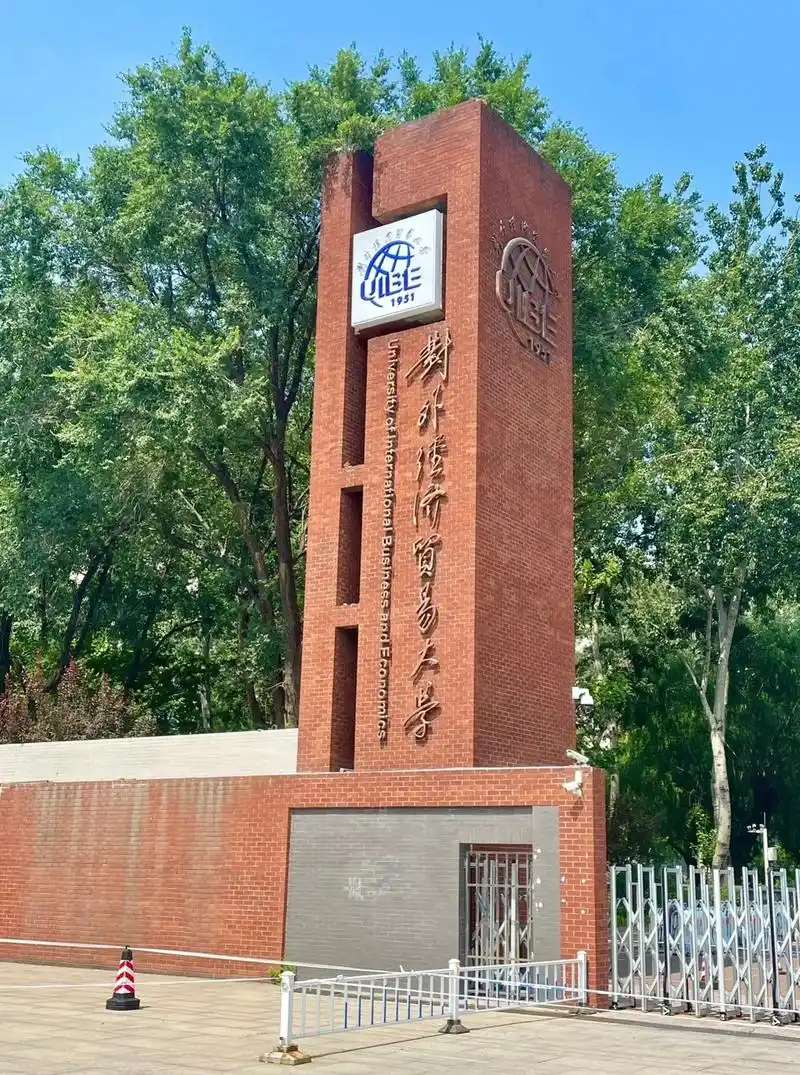
University of International Business and Economics (UIBE), also known as "University of International Business and Economics" or "UIBE", is located in Chaoyang District, Beijing. It is a full-time regular institution of higher education directly under the Ministry of Education, jointly established by the Ministry of Education and the Ministry of Commerce. The university is among the first batch of national "Double First-Class" construction universities, the first batch of "Project 211" key universities, and a national key university. It has been selected for the National "2011 Plan", "101 Plan", the Outstanding Legal Talent Education and Training Plan, the National High-Level University Graduate Program for Public-Sponsored Students, and the National College Student Innovation and Entrepreneurship Training Program. It is a host institution for Chinese Government Scholarship international students, a university under the "Ministry of Education Education Strategy and Planning Research Center", and the only finance and economics university in China to have received EQUIS, AACSB, CAMEA, and AMBA accreditations. UIBE is the first higher education institution in New China dedicated to cultivating specialized foreign trade talents. It was founded in 1951, originally as the Advanced Commercial Cadre School under the Ministry of Trade of the Central People's Government. In 1953, it was renamed Beijing Foreign Trade Specialized School. In 1954, the foreign trade program of Renmin University of China was merged into the school, and it was renamed Beijing Institute of Foreign Trade. In 1960, it was designated as a national key university. In 1978, Beijing Institute of Foreign Trade became a unit directly under the Ministry of Foreign Trade. In 1983, the school merged with the International Economic Management Institute, which was under the State Import and Export Management Commission. In 1984, it was renamed the University of International Business and Economics. In 1997, it was selected as a key university under the national "Project 211". In 1987, China Financial College was established, directly under the People's Bank of China. In 2000, the University of International Business and Economics and China Financial College merged to form the new University of International Business and Economics, directly under the Ministry of Education. In 2010, the Ministry of Education and the Ministry of Commerce jointly signed an agreement to co-build the University of International Business and Economics. In 2017, the university was selected as one of the first batch of national "Double First-Class" construction universities. In July 1951, the Advanced Commercial Cadre School of the Central People's Government Ministry of Trade was established by the Central Trade Ministry. On November 11 of the same year, the school officially opened, with German and Russian departments. In January 1953, according to the national adjustment plan for higher education institutions, the Advanced Commercial Cadre School was renamed Beijing Foreign Trade Specialized School. In October of the same year, the school became a higher education institution under the leadership and management of the Ministry of Foreign Trade, entrusted by the Central Ministry of Higher Education. In January 1954, the foreign trade program of the Trade Department of Renmin University of China merged with Beijing Foreign Trade Specialized School, and on the basis of the latter, Beijing Institute of Foreign Trade was established. On August 25, 1954, Beijing Institute of Foreign Trade was officially established. In October 1960, according to the spirit of the Central Committee's "Decision on Increasing National Key Higher Education Institutions", Beijing Institute of Foreign Trade was listed as one of the 44 newly added key institutions. In the same year, the school began to enroll graduate students under the tutorial system. In October 1969, Beijing Institute of Foreign Trade was relocated to Gushi County, Henan Province, and the Ministry of Foreign Trade announced the dissolution of the school on site. It was not until March 1973 that the State Council agreed to restore Beijing Institute of Foreign Trade. On April 24 of the same year, the school began to use its official seal. In January 1983, to meet the needs of national institutional reform and the development of foreign economic and trade affairs, the State Council decided to merge the International Economic Management Institute with Beijing Institute of Foreign Trade to form Beijing Institute of Foreign Trade, and added the Department of International Economic Cooperation. In January of the following year, with the approval of the Academic Degrees Committee of the State Council, the trade program of Beijing Institute of Foreign Trade was authorized to confer doctoral degrees in economics, and the international economics program was authorized to confer doctoral degrees in law. In September 1984, Beijing Institute of Foreign Trade was officially renamed the University of International Business and Economics, and the Graduate School and the Department of International Economic Law were added. In 1986, the school added the Department of Humanities. In 1988, the school established the Department of Foreign Trade German. In November of the same year, the authoritative U.S. educational evaluation agency, the State University of New York Board of Trustees, issued a certificate of recognition to the UIBE's Master of Business Administration in International Trade and Business Administration.

Sources & verification

Verification
Verified
Verified on
2026-09-20
Last updated
2026-11-06
Source notes
University of International Business and Economics — 2024 application guide and funding details for Chinese Government Scholarship (Type A) (verified by the user)

Confirm requirements, funding and deadlines in the admissions office’s current announcement.