
Chinese Government Scholarship Type B High-Level Postgraduate Program

Government/University Scholarship

Chinese Government Scholarship Type B High-Level Postgraduate Program

ClosedVerified

Chinese Government Scholarship Type B High-Level Postgraduate Program. Eligible study levels: Master’s, Doctoral. Funding: Scholarship funding includes tuition, accommodation, living expenses and comprehensive medical insurance within the standard program duration. Specific funding rates follow the information published on CampusChina

TuitionAccommodationMedical insurance
Scholarship type
Government/University Scholarship
Degree level
Master / PhD
Location
Chongqing · Chongqing
Application deadline
2026-02-02

Overview

Chinese Government Scholarship Type B High-Level Postgraduate Program. Eligible study levels: Master’s

Doctoral. Funding: Scholarship funding includes tuition

accommodation

living expenses and comprehensive medical insurance within the standard program duration. Specific funding rates follow the information published on CampusChina

Funding coverage

Scholarship TypeGovernment/University Scholarship
UniversityChongqing University
ProvinceChongqing
TuitionCovered
AccommodationCovered
Medical InsuranceCovered
Subsidy StandardScholarship funding includes tuition, accommodation, living expenses and comprehensive medical insurance within the standard program duration. Specific funding rates follow the information published on CampusChina
Other BenefitsNot receiving any other scholarship concurrently at the time of application
Coverage ScopeScholarship funding includes tuition, accommodation, living expenses and comprehensive medical insurance within the standard program duration. Specific funding rates follow the information published on CampusChina
Application Linkhttps://study.cqu.edu.cn/info/1973/2734.htm

Funding tiers

Eligibility may differ by tier. Check the applicable degree and requirements.

Standard funding

Eligible degree
Master’s, Doctoral
Funding
Scholarship funding includes tuition, accommodation, living expenses and comprehensive medical insurance within the standard program duration. Specific funding rates follow the information published on CampusChina
Tier requirements
1. Non-Chinese citizens with a valid ordinary passport, good physical and mental health. 2. Educational and age requirements: - Master’s: relevant bachelor’s degree/equivalent academic ability, excellent grades, no older than 35; - Doctoral: relevant master’s degree/equivalent academic ability, excellent grades, no older than 40. 3. Language requirements: - English-taught, non-native-English-speaking countries:①IELTS6/TOEFL80 or above; or②fully English-taught preceding qualification proof; or ③ proof of at least one year (inclusive) of study in an English-speaking country. - Chinese-taught:①valid HSK5≥180; or②Chinese-taught preceding qualification proof from a Chinese university. 4. Minimum grades: GPA at least 3 on a 4-point scale, at least 80 on a 100-point scale. 5. No other concurrent scholarship at application.

Requirements & documents

Application Requirements1. Non-Chinese citizens with a valid ordinary passport, good physical and mental health. 2. Educational and age requirements: - Master’s: relevant bachelor’s degree/equivalent academic ability, excellent grades, no older than 35; - Doctoral: relevant master’s degree/equivalent academic ability, excellent grades, no older than 40. 3. Language requirements: - English-taught, non-native-English-speaking countries:①IELTS6/TOEFL80 or above; or②fully English-taught preceding qualification proof; or ③ proof of at least one year (inclusive) of study in an English-speaking country. - Chinese-taught:①valid HSK5≥180; or②Chinese-taught preceding qualification proof from a Chinese university. 4. Minimum grades: GPA at least 3 on a 4-point scale, at least 80 on a 100-point scale. 5. No other concurrent scholarship at application.
Major RestrictionsMaster’s, Chinese-taught: Materials Science and Engineering; Metallurgical Engineering; Art Studies; Drama and Film/Television; Law (for law graduates); Law (for non-law graduates); Law; Chinese Language and Literature; Chinese History; Philosophy; Public Administration; Management Science and Engineering; Engineering Finance and Cost Management; Industrial Engineering and Management; Logistics Engineering and Management; Optical Engineering; Instrument Science and Technology; Electronic Information; Aeronautical and Astronautical Science and Technology; Mechanics; Energy and Power; Computer Technology; Architecture; Urban and Rural Planning; Landscape Architecture; Applied Economics; Business Administration; Energy and Power; Power Engineering and Engineering Thermophysics; Biology; Civil Engineering; International Chinese Language Education; Foreign Languages and Literature; Physics; Fine Arts and Calligraphy; Art Studies; Design; Safety Science and Engineering; Mining Engineering; Control Science and Engineering; Biomedical Engineering; Chemical Engineering and Technology; Chemistry; Mathematics; Statistics. English-taught: Materials Science and Engineering; Metallurgical Engineering; Electrical Engineering; Engineering Management; Optical Engineering; Instrument Science and Technology; Aeronautical Engineering; Resources and Environment; Mechanical Engineering; Computer Technology; Architecture; Urban and Rural Planning; Landscape Architecture; Business Administration; Energy and Power; Power Engineering and Engineering Thermophysics; Software Engineering; Biomedical Engineering; Electronic Information; Civil Engineering; Resources and Environment.
GPASubject to excellent academic performance and the host institution’s requirements
Language RequirementsApplicants from non-native-English-speaking countries to English-taught programs must provide ① IELTS 6 or above or TOEFL 80 or above; or ② proof of a fully English-taught preceding qualification; or ③ proof of at least one year (inclusive) of study in an English-speaking country. Chinese-taught applicants must provide ① valid HSK5, 180 or above; or ② proof of a Chinese-taught preceding qualification from a Chinese university.
Teaching LanguagePrograms taught entirely in English are exempt from HSK; IELTS / TOEFL or proof of English-medium instruction is required
Required MaterialsChinese Government Scholarship Application Form; passport first page; notarized highest qualification certificate; transcripts from undergraduate study onward; language evidence; study plan for China; recommendations; Foreigner Physical Examination Form and attachments; certificate of no criminal record; personal work; other materials such as published papers, award certificates, employment or internship evidence; pre-admission materials
Sourcehttps://lh65breby7.feishu.cn/wiki/TAxpwuS1TiFoeZklj20caqHnnte?sheet=1dnfky&range=A70
Source NotesChongqing University — 2025 application guide and funding details for Chinese Government Scholarship Type B High-Level Postgraduate Program (verified by the user)
Noteshttps://study.cqu.edu.cn/info/1973/2734.htm 2025
University groupingFirst group of additional universities for the Vietnamese market
Application materialsChinese Government Scholarship Application Form; passport first page; notarized highest qualification certificate; transcripts from undergraduate study onward; language evidence; study plan for China; recommendations; Foreigner Physical Examination Form and attachments; certificate of no criminal record; personal work; other materials such as published papers, award certificates, employment or internship evidence; pre-admission materials
Application requirements1. Non-Chinese citizens with a valid ordinary passport, good physical and mental health. 2. Educational and age requirements: - Master’s: relevant bachelor’s degree/equivalent academic ability, excellent grades, no older than 35; - Doctoral: relevant master’s degree/equivalent academic ability, excellent grades, no older than 40. 3. Language requirements: - English-taught, non-native-English-speaking countries:①IELTS6/TOEFL80 or above; or②fully English-taught preceding qualification proof; or ③ proof of at least one year (inclusive) of study in an English-speaking country. - Chinese-taught:①valid HSK5≥180; or②Chinese-taught preceding qualification proof from a Chinese university. 4. Minimum grades: GPA at least 3 on a 4-point scale, at least 80 on a 100-point scale. 5. No other concurrent scholarship at application.
CoverageScholarship funding includes tuition, accommodation, living expenses and comprehensive medical insurance within the standard program duration. Specific funding rates follow the information published on CampusChina
Language requirementsApplicants from non-native-English-speaking countries to English-taught programs must provide ① IELTS 6 or above or TOEFL 80 or above; or ② proof of a fully English-taught preceding qualification; or ③ proof of at least one year (inclusive) of study in an English-speaking country. Chinese-taught applicants must provide ① valid HSK5, 180 or above; or ② proof of a Chinese-taught preceding qualification from a Chinese university.
Eligible majorsMaster’s, Chinese-taught: Materials Science and Engineering; Metallurgical Engineering; Art Studies; Drama and Film/Television; Law (for law graduates); Law (for non-law graduates); Law; Chinese Language and Literature; Chinese History; Philosophy; Public Administration; Management Science and Engineering; Engineering Finance and Cost Management; Industrial Engineering and Management; Logistics Engineering and Management; Optical Engineering; Instrument Science and Technology; Electronic Information; Aeronautical and Astronautical Science and Technology; Mechanics; Energy and Power; Computer Technology; Architecture; Urban and Rural Planning; Landscape Architecture; Applied Economics; Business Administration; Energy and Power; Power Engineering and Engineering Thermophysics; Biology; Civil Engineering; International Chinese Language Education; Foreign Languages and Literature; Physics; Fine Arts and Calligraphy; Art Studies; Design; Safety Science and Engineering; Mining Engineering; Control Science and Engineering; Biomedical Engineering; Chemical Engineering and Technology; Chemistry; Mathematics; Statistics. English-taught: Materials Science and Engineering; Metallurgical Engineering; Electrical Engineering; Engineering Management; Optical Engineering; Instrument Science and Technology; Aeronautical Engineering; Resources and Environment; Mechanical Engineering; Computer Technology; Architecture; Urban and Rural Planning; Landscape Architecture; Business Administration; Energy and Power; Power Engineering and Engineering Thermophysics; Software Engineering; Biomedical Engineering; Electronic Information; Civil Engineering; Resources and Environment.
Scholarship typeChinese Government Scholarship
University name in Chinese*Chongqing University
Application opening dateNovember 25, 2025
Application deadlineFebruary 25, 2026
Scholarship name in Chinese*Chinese Government Scholarship Type B High-Level Postgraduate Program
Eligible study levels*Master’s, Doctoral
Scholarship verification status*Verified (confirmed by user)
Whether a separate application is requiredYes
Rules on holding other scholarships concurrentlyNot receiving any other scholarship concurrently at the time of application
Application Rule 1name: Coverage; description: Scholarship funding includes tuition, accommodation, living expenses and comprehensive medical insurance within the standard program duration. Specific funding rates follow the information published on CampusChina
Application Rule 2name: Application opening date; description: November 25, 2025
Application Rule 3name: Application deadline; description: February 25, 2026
Application Rule 4name: Whether a separate application is required; description: Yes
Application Rule 5name: Rules on holding other scholarships concurrently; description: Not receiving any other scholarship concurrently at the time of application

Application dates & process

Application Opens: 11/2 Application Deadline: 2/2 Review Cycle: Document review and interviews / expert review take approximately 4–6 weeks

Universities & programs

Universities

About the university

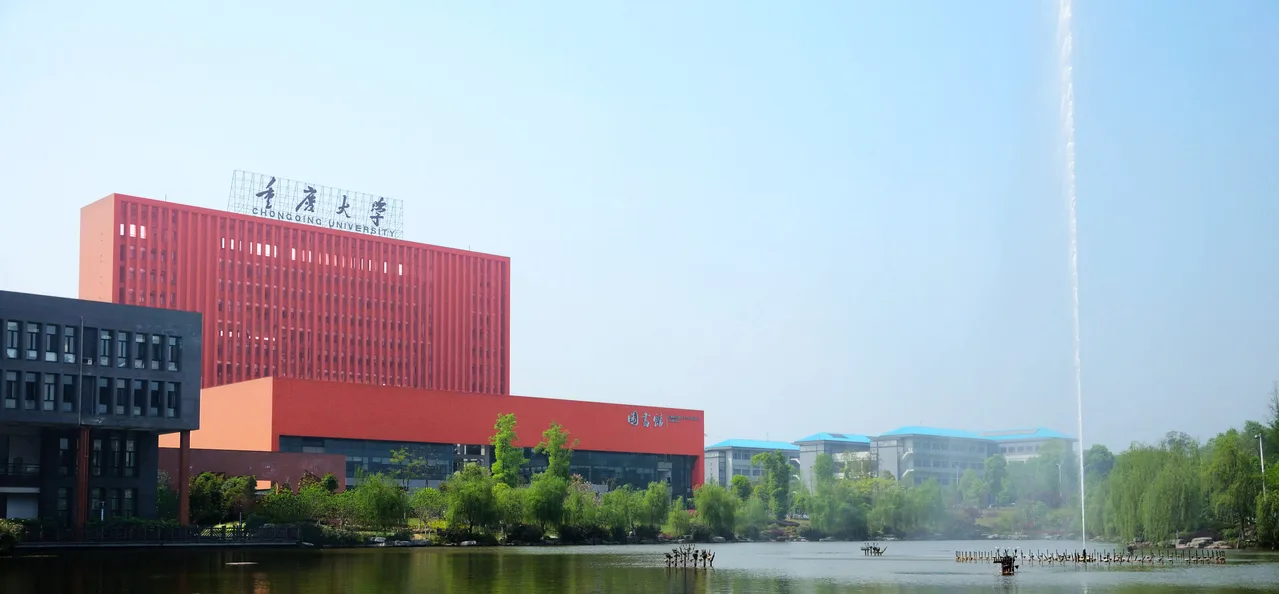
Chongqing University (CQU), commonly referred to as CQU, is a national key university located in Chongqing, China. It is directly under the Central Government and administered by the Ministry of Education. As a member of the national "Double First-Class" initiative, "211 Project," and "985 Project," the university is a comprehensive institution with a focus on engineering and coordinated development across multiple disciplines. It has been selected for the Everest Plan and the Strengthening Basic Disciplines Plan, and is a member of the Excellence Alliance of Universities, the Belt and Road University Alliance, and the China Higher Education Drama Alliance. It is also among the first batch of pilot universities for the National Excellent Teacher Training Plan, and has been included in the Innovation Capability Enhancement Plan for Higher Education Institutions, the Discipline Innovation and Talent Introduction Plan for Higher Education Institutions, the Excellent Engineer Education and Training Plan, and the Excellent Legal Talent Education and Training Plan. Founded in 1929, the university developed into a comprehensive institution with a full range of disciplines in liberal arts, sciences, engineering, business, law, and medicine by the 1940s. In 1952, it was restructured into a multi-disciplinary university with a focus on engineering. After the reform and opening-up, the university underwent comprehensive restoration, adjustment, and reform, becoming a university with a focus on engineering and coordinated development across multiple disciplines. In 2000, the former Chongqing Jianzhu University and Chongqing Architecture College merged with Chongqing University to form the new Chongqing University. In 2017, it was selected as a "World-Class University Construction University (Category A)" and in 2022, it was included in the second round of the "Double First-Class" construction. On January 16, 2025, the "China Badminton Association - Chongqing University Badminton Center" was established. As of March 2025, the university covers an area of over 5,300 mu, with campuses A, B, C, Huxi, and Liangjiang. It comprises 7 faculties, 35 schools, and 8 affiliated hospitals, offering 90 undergraduate programs (directions). It has 35 post-doctoral research stations, 37 first-level doctoral degree authorization points, 9 professional doctoral degree authorization points, 44 first-level master's degree authorization points, and 26 professional master's degree authorization points. The university has over 5,100 faculty and staff, and more than 52,000 enrolled students, including nearly 26,000 graduate students and over 26,000 undergraduates. In the winter of 1925, Li Kuian, the speaker of the Ba County Council, proposed the establishment of Chongqing University. In the summer of 1929, the "Chongqing University Promotion Association" was formed and issued the "Declaration on the Establishment of the Chongqing University Preparatory Committee." On October 12, 1929, classes officially began, marking the formal establishment of a modern institution of higher learning. In 1933, the university started undergraduate programs, enrolling students in the faculties of liberal arts and sciences, and moved to the banks of the Jialing River in Shapingba, Chongqing, which is now Campus A of Chongqing University. At the end of May 1935, Chongqing University was approved as a provincial university and renamed "Sichuan Provincial Chongqing University." In the same year, the Sichuan Provincial Institute of Technology merged into Chongqing University, and its faculties of liberal arts and agriculture were merged into Sichuan University. In 1942, the university was approved as a national university and renamed "National Chongqing University." In 1948, Chongqing University began enrolling graduate students, making it one of the earliest universities in China to offer graduate education. In November 1949, after the liberation of Chongqing, the People's Republic of China took over National Chongqing University, which was subsequently renamed Chongqing University. At that time, Chongqing University had become a comprehensive university with six faculties (sciences, engineering, liberal arts, business, law, and medicine) and 21 departments, enjoying a high reputation both domestically and internationally. Around 1952, during the nationwide restructuring of higher education institutions, Chongqing University, after incorporating some engineering programs from other universities, became a multi-disciplinary industrial university with a focus on mechanical, electrical, power, mining, and metallurgical disciplines. It also established China's first plastic factory using entirely domestic equipment and raw materials, filling a gap in China's chemical industry. In 1958, Chongqing University became one of the earliest universities in China to conduct computer science research, and in 1960, it was designated as a national key university. After the reform in 1978, Chongqing University was restored and developed into a national key comprehensive university directly under the Ministry of Education, and became one of the first units under the Ministry of Education to resume graduate enrollment and grant master's and doctoral degrees. In 1981, Chongqing University became one of the first batch of universities in China authorized to confer master's and doctoral degrees. In 1999, it became one of the first batch of universities under the national "211 Project."

Sources & verification

Verification
Verified
Verified on
2026-09-20
Last updated
2026-11-06
Source notes
Chongqing University — 2025 application guide and funding details for Chinese Government Scholarship Type B High-Level Postgraduate Program (verified by the user)

Confirm requirements, funding and deadlines in the admissions office’s current announcement.