
Government/University Scholarship
High-Level Postgraduate Program
ClosedVerified
High-Level Postgraduate Program. Levels: master's and doctoral. Coverage: registration, tuition, laboratory and basic internship fees waived; on-campus accommodation provided; comprehensive medical insurance for international students in China provided; living allowance of CNY 3,000/month for master's students and CNY 3,500/month for doctoral students. Recipients must pass an annual review to continue receiving the scholarship.
TuitionAccommodationMedical insurance
- Scholarship type
- Government/University Scholarship
- Degree level
- Master / PhD
- Location
- Beijing · Beijing
- Application deadline
- 2026-02-02
Overview
High-Level Postgraduate Program. Levels: master's and doctoral. Coverage: registration
tuition
laboratory and basic internship fees waived
on-campus accommodation provided
comprehensive medical insurance for international students in China provided
living allowance of CNY 3
Funding coverage
Funding tiers
Eligibility may differ by tier. Check the applicable degree and requirements.
Standard funding
- Eligible degree
- Master’s, Doctoral
- Funding
- Registration, tuition, laboratory and basic internship fees waived; on-campus accommodation provided; comprehensive medical insurance for international students in China provided; living allowance of CNY 3,000/month for master's students and CNY 3,500/month for doctoral students. Recipients must pass an annual review to continue receiving the scholarship.
- Tier requirements
- 1. Non-Chinese citizens with ordinary foreign passport, good physical/mental health, good character, no unlawful/criminal record, willing to comply with Chinese laws/regulations and university rules. 1.Non-Chinese citizens holding foreign ordinary passports, physically and mentally healthy, of good conduct, without any record of violation of laws or crimes, and are willing to abide by Chinese laws and regulations as well as the rules and regulations of BJTU. 2. Educational and Age Requirements (1) Master’s: bachelor’s degree, no older than 35; Applicants for master’s degree must have a bachelor’s degree and be no more than 35 years old; (2) Doctoral: master’s degree, no older than 40. Applicants for doctoral degree must have a master’s degree and be no more than 40 years old.
Requirements & documents
Application dates & process
Application Opens: 11/1 Application Deadline: 2/2 Review Cycle: Document review and interviews / expert review take approximately 4–6 weeks
Universities & programs
Universities
About the university
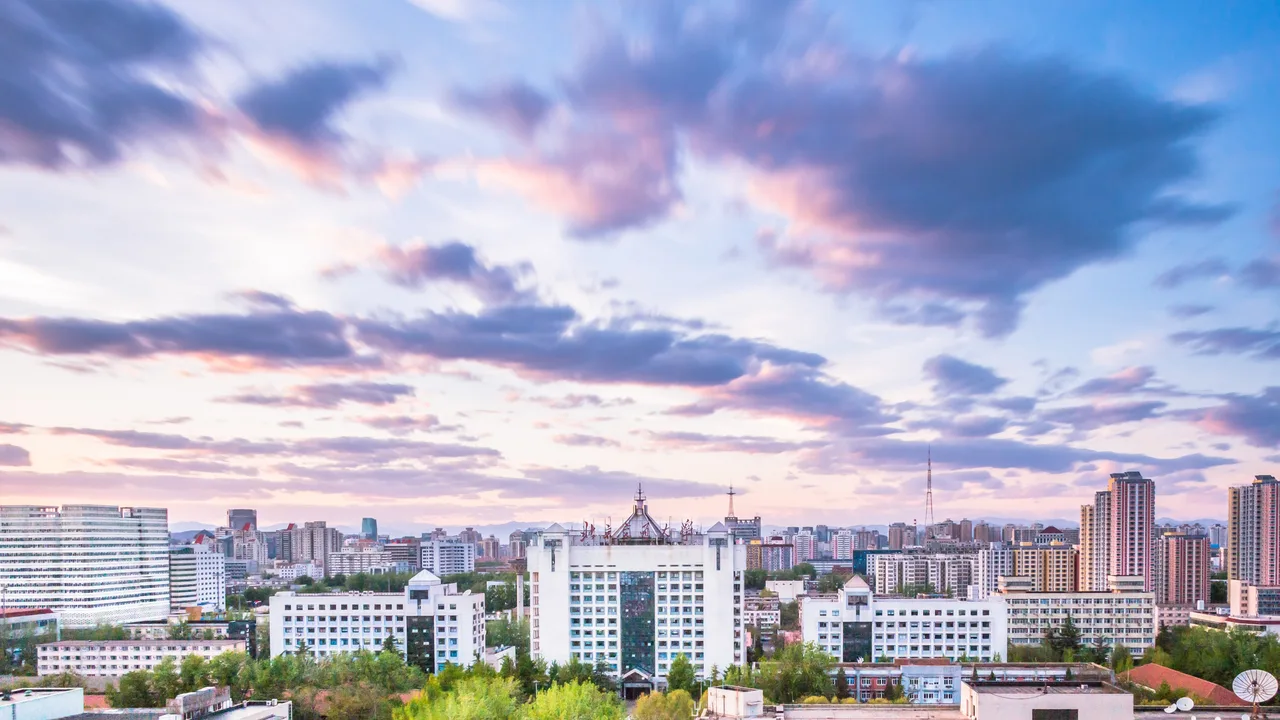
Beijing Jiaotong University, located in Beijing, China, is a key national university directly under the Ministry of Education of the People's Republic of China. It is jointly established by the Ministry of Education, the Ministry of Transport, the Beijing Municipal People's Government, and China State Railway Group Co., Ltd. It is a full-time higher education institution and a key university. It is a member of the national "211 Project" and the "Double First-Class" initiative. It has also been selected for the "985 Engineering Advantage Discipline Innovation Platform," the Innovation Capability Enhancement Program for Higher Education Institutions, the "111 Plan," and the Excellent Engineer Education and Training Program. The predecessor of Beijing Jiaotong University was the Railway Management Training Institute founded by the Qing government. In 1923, it was renamed Beijing Jiaotong University. In 1950, it was officially named Northern Jiaotong University. In 1960, it was designated as a national key university. In 1981, it became one of the first institutions in China authorized to confer doctoral and master's degrees. In 1997, it became a key university under the national "211 Project." In 2003, it resumed the name Beijing Jiaotong University. In 2016, it became one of the first batch of national exemplary universities for innovation and entrepreneurship. In 2017, it was selected as a national "Double First-Class" university. In 2022, it became a base for the transformation and transfer of scientific and technological achievements of the Ministry of Education. As of December 2024, the university has two campuses (East and West), covering a total area of nearly 1,000 mu (approximately 66.7 hectares), with a building area of over 1 million square meters. It has 21 schools and colleges, 17 postdoctoral research stations, 1 workstation, 21 first-level doctoral degree programs, 7 professional doctoral degree categories, 33 first-level master's degree programs, and 19 professional master's degree categories. The university has 3,296 faculty and staff members, 3,489 doctoral students, 10,712 master's students, and 17,105 undergraduate students. As of August 2024, it offers 71 undergraduate programs and has 2 second-level master's degree authorization points. As one of the three origins of Jiaotong University, its history can be traced back to 1896, with its predecessor being the Railway Management Training Institute founded by the Qing government in 1909. It was the first higher education institution in China dedicated to cultivating management talents and is the birthplace of modern railway management and telecommunications education in China. In 1917, it was reorganized into the Railway Management School and the Post and Telecommunications School. In 1921, it merged with Shanghai Industrial College and Tangshan Industrial College to form Jiaotong University. After the reorganization of Jiaotong University in 1923, the school was renamed Beijing Jiaotong University. In 1950, the school was officially named Northern Jiaotong University, with Chairman Mao Zedong writing the school name and the famous bridge expert Mao Yisheng serving as president. In 1952, Northern Jiaotong University was dissolved, and the school was renamed Beijing Railway Institute. In 1960, it was designated as a national key university. In 1970, it resumed the name "Northern Jiaotong University." In 1981, it became one of the first institutions in China authorized to confer doctoral and master's degrees. In 1997, it became a key university under the national "211 Project." In 1999, it was selected as one of the first batch of national university cultural quality education bases. In 2000, it merged with Beijing Electric Power College and was transferred from the Ministry of Railways to the direct management of the Ministry of Education. In 2003, it resumed the name "Beijing Jiaotong University." In 2010, it was selected as one of the first batch of universities under the Ministry of Education's "Excellent Engineer Education and Training Program," and in the same year, it was rated as a "National Innovative Institution for Engineering Master's Education." In April 2012, the Ministry of Education, the Ministry of Railways, and the Beijing Municipal People's Government signed an agreement to jointly build Beijing Jiaotong University. In April 2013, the "2011 Plan" Collaborative Innovation Center for Rail Transit Safety, independently led by the university, was recognized by the Ministry of Education, becoming one of the first 14 centers recognized at the national level. In 2015, the Weihai Campus of Beijing Jiaotong University was completed. In 2017, it was selected as a national "Double First-Class" university. In 2023, construction began on the Xiong'an Campus of Beijing Jiaotong University, and on May 12, 2024, the main building of the campus complex was topped out. As of August 2024, it offers 71 undergraduate programs. As of December 2024, Beijing Jiaotong University has 21 schools and colleges.
Sources & verification
- Verification
- Verified
- Verified on
- 2026-09-20
- Last updated
- 2026-11-06
- Source link
- cie.bjtu.edu.cn ↗
- Source notes
- Beijing Jiaotong University — 2026 application guide and funding details for High-Level Postgraduate Program (verified by the user)
Confirm requirements, funding and deadlines in the admissions office’s current announcement.